Earthquakes are a powerful force of nature that can cause widespread devastation and destruction. In earthquake-prone regions, it is crucial to build structures that can withstand seismic activity and protect occupants from harm. One important tool in this regard is the seismic brace, a structural component that helps to improve a building’s resistance to earthquakes.
A seismic brace is a structural element that is added to a building to help it withstand the lateral forces generated by earthquakes. These braces are typically made of steel or other high-strength materials and are designed to absorb and dissipate seismic energy, reducing the risk of structural damage and collapse during an earthquake. seismic braces are often used in conjunction with other seismic retrofitting techniques to strengthen buildings and make them more resilient to seismic activity.
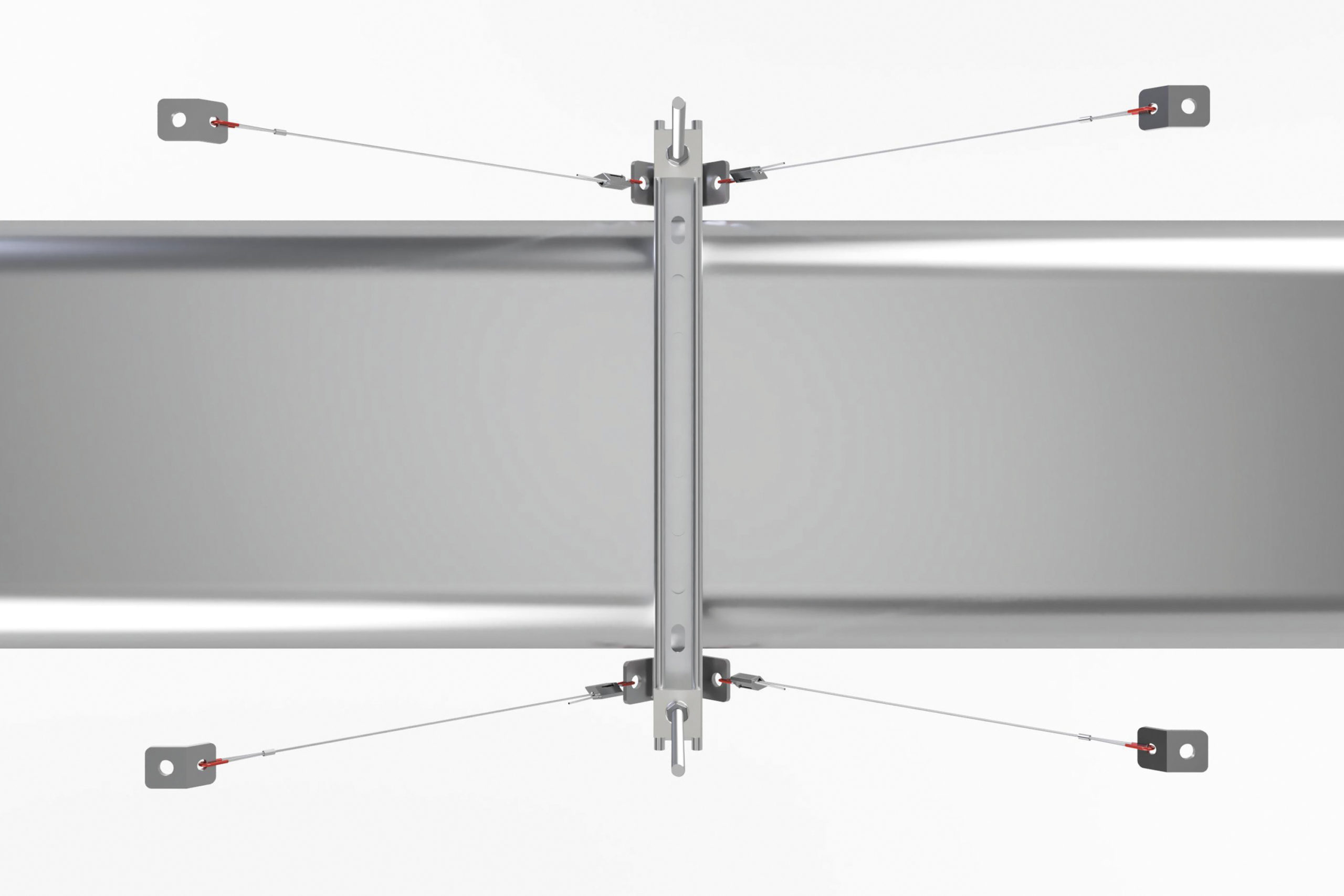
The primary function of a seismic brace is to provide lateral stability to a building during an earthquake. When an earthquake occurs, the ground beneath a building shakes back and forth, creating lateral forces that can cause the building to sway and potentially collapse. seismic braces help to mitigate these forces by providing additional support and stiffness to the building structure, reducing the amount of lateral movement and helping to keep the building upright and stable.
There are several different types of seismic braces that can be used in building construction. One common type is the diagonal brace, which consists of diagonal members that are placed at an angle between the floors of a building. These braces help to transfer lateral forces from the upper stories of a building to the foundation, reducing the amount of sway and improving overall stability. Another type of brace is the concentric brace, which consists of vertical and horizontal members that work together to provide lateral stiffness and support.
In addition to improving lateral stability, seismic braces can also help to reduce the amount of damage that a building sustains during an earthquake. By absorbing and dissipating seismic energy, these braces help to protect the structural integrity of the building and prevent catastrophic failure. This not only helps to protect occupants from harm but also ensures that the building can be quickly repaired and restored after an earthquake.
seismic braces are particularly important for older buildings that were constructed before modern seismic design standards were in place. Many older buildings are not built to withstand the forces generated by earthquakes, making them particularly vulnerable to damage and collapse during seismic events. By retrofitting these buildings with seismic braces and other structural enhancements, it is possible to greatly improve their resilience and reduce the risk of earthquake-related injuries and fatalities.
In addition to protecting buildings and occupants from harm, seismic braces can also help to preserve the economic value of a property. Buildings that are damaged or destroyed in an earthquake can be costly to repair or replace, and may result in significant financial losses for owners and insurers. By investing in seismic braces and other seismic retrofitting measures, property owners can reduce the likelihood of damage and minimize the financial impact of an earthquake.
Overall, seismic braces play a crucial role in improving building safety and resilience in earthquake-prone regions. By providing lateral stability, absorbing seismic energy, and reducing damage during earthquakes, these structural elements help to protect buildings and occupants from harm and preserve the economic value of properties. As our understanding of seismic activity continues to evolve, seismic braces will remain an important tool in the effort to build safer and more resilient structures.